To further enrich your artistic experience, we are delighted to present our guide to the art of framing.
Far from being simply a technical step, art framing offers a unique opportunity to personalise an artwork so that it harmoniously integrates with your style and interior decoration. By choosing an appropriate frame, you are not merely making an aesthetic choice; you are creating a bespoke setting that contributes not only to the preservation of the artwork, but also to its enhancement and integration within your living space.
Our guide aims to explain in detail why framing is such a crucial step in the appreciation of a work of art. We explore the different aspects of framing, including the choice of materials, styles and current trends, as well as professional framing techniques used for fine art prints and works on paper that can protect and visually enhance your artworks. We will also provide practical advice to help you select the perfect frame, whether for a contemporary artwork or a timeless classic.
This guide has been designed to help you make informed choices so that every artwork you own can be displayed in the best possible way, respecting its integrity while enriching your environment.
Why is it essential to frame fine art prints?
Because of the delicate nature of paper, fine art prints, lithographs and works on paper require particular care to preserve their original condition and prevent any deterioration over time.
Dust and humidity can compromise the stability and integrity of a print. These elements may affect the vibrancy of colours and alter the texture of the paper, leading to a gradual loss of quality and value.
Furthermore, ultraviolet (UV) rays represent a significant threat to prints. Prolonged exposure to sunlight or artificial light rich in UV radiation can cause noticeable fading and rapid pigment deterioration, resulting in a loss of colour brilliance and visual harmony.
To counter these harmful effects, it is essential to adopt appropriate conservation measures. This includes storing prints in controlled environments away from excessive humidity and direct sunlight. The use of specialised glazing, such as UV-protective glass or anti-reflective museum glass, helps preserve colours and details while ensuring optimal visibility.
Handling prints carefully is equally important. Wearing gloves prevents the transfer of oils and dirt from the skin that could damage delicate paper. Gentle and regular cleaning of the frame and protective glass can also reduce dust accumulation.
By following these conservation practices, prints can remain in excellent condition and retain their beauty and value for generations to come.
Which framing is most suitable for fine art prints?
To meet the specific conservation needs of works on paper, we strongly recommend using frames fitted with protective glazing. This transparent barrier protects the artwork from dust, humidity and UV radiation, ensuring optimal preservation.
Traditional cardboard materials may yellow and deteriorate over time and can even transfer acidity to the artwork. To prevent this, the backing board and mat should be made from acid-free conservation materials, such as cotton or museum-grade cellulose, maintaining a neutral pH environment around the artwork.
Finally, the frame itself should not be overlooked. A well-crafted frame made with appropriate materials provides structural support while enhancing the visual appearance of the artwork. Good framing not only protects the artwork but also highlights it in harmony with its style and the interior space where it will be displayed.
By following these framing recommendations, you ensure both the preservation of your works on paper and their presentation at their very best for many years to come.
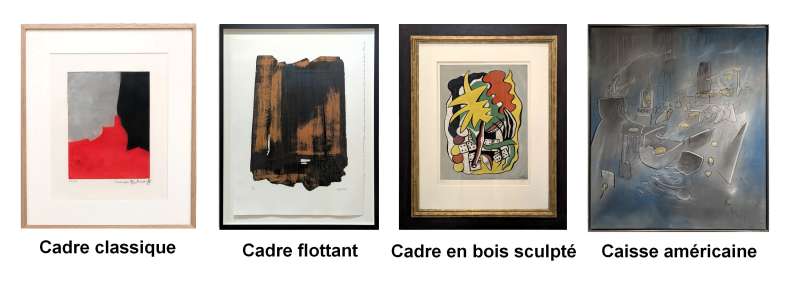
- Classic Frame: These frames, representing a timeless aesthetic, harmoniously complement a wide range of artistic styles. Generally crafted from wood or metal—materials renowned for their durability and elegance—these frames are particularly appreciated for framing more traditional works of art such as paintings, drawings, prints, and other fine art pieces. Their versatility is enhanced by the availability of a wide palette of finishes and colours, allowing collectors to select the frame according to the artwork being framed and to integrate it perfectly into their interior décor.
- Floating Frame: Recognised for its distinctive design, the floating frame is characterised by an open structure along the sides, creating the impression that the artwork is floating within the frame. This type of art framing offers a modern and refined presentation that enhances the artwork without confining it within a traditional border. Floating frames and American box frames are particularly suitable for canvases on which the artist has extended the composition to the edges, as they reveal the painted sides and allow the artwork to be viewed in its entirety without alteration.
This framing technique is ideal for contemporary paintings, modern artworks, or works that require a discreet and elegant frame, allowing the artwork to express itself fully. The floating frame provides visual lightness and a touch of modernity while offering effective protection and enhancement of the artwork. By choosing this type of frame, collectors opt for a presentation that respects the aesthetic of the artwork while giving it a distinctive presence within the space in which it is displayed.
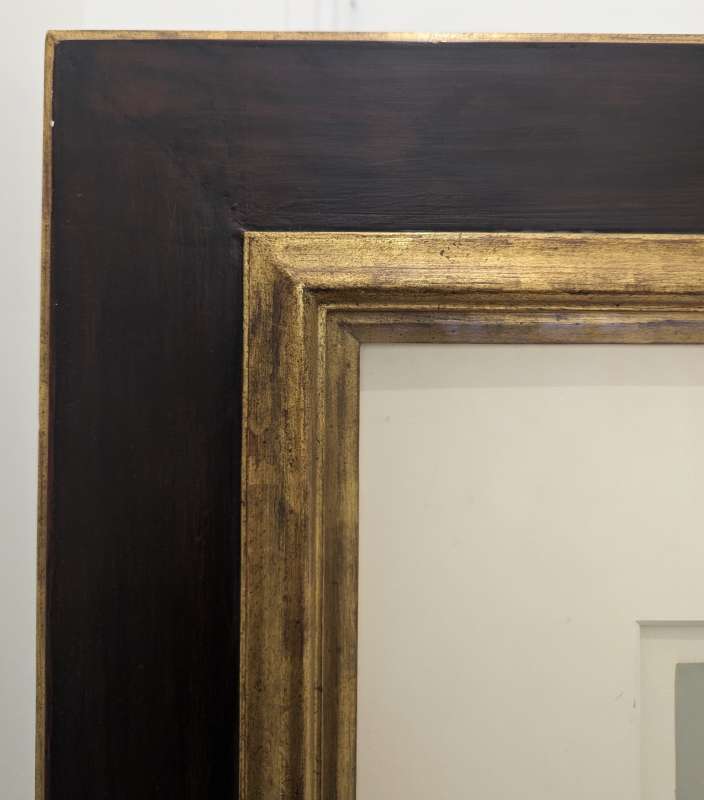
- Carved Wooden Frame: Carved wooden frames are works of art in their own right, displaying finely sculpted patterns and decorative details carved directly into the wood. They add an additional artistic dimension to the framing of an artwork, enhancing its overall appearance and presentation. The variety of styles available for these frames is extensive and reflects the diversity of historical periods, artistic movements, and individual tastes.
These frames may range from simple and refined motifs to elaborate and highly detailed designs, offering a wide range of possibilities to complement and enhance all types of artworks. This type of frame is particularly appreciated for its ability to emphasise or introduce a classical, formal, or traditional aesthetic to a work of art. They are perfectly suited for classical paintings, portraits, historical artworks, or any artwork requiring elegance, refinement, and sophistication.
Carved wooden frames may also be used in deliberate contrast with contemporary artworks, creating an interesting dialogue between modern art and traditional craftsmanship.
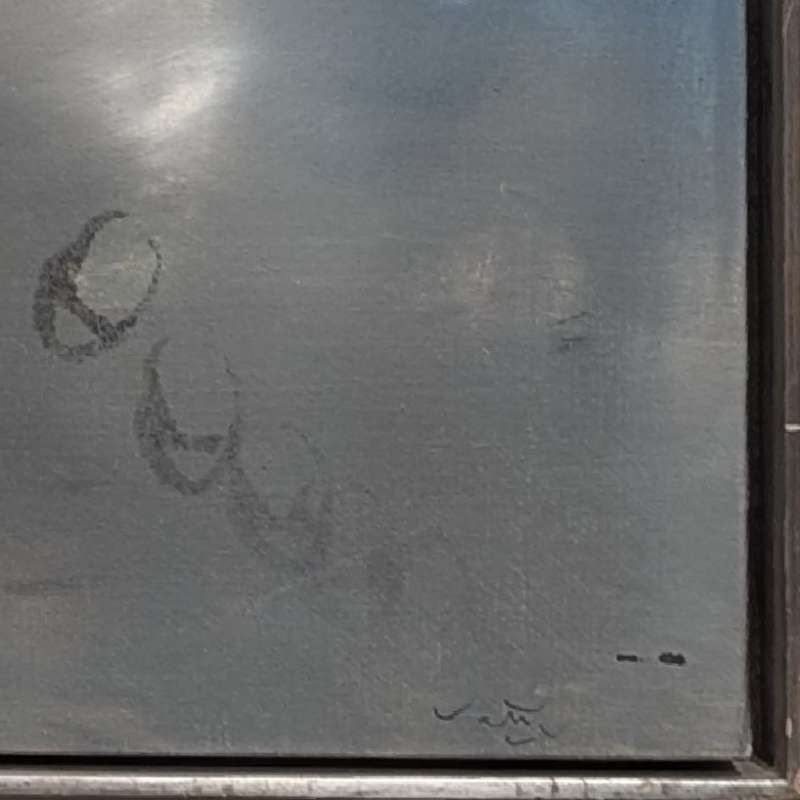
- American Box Frame: The American box frame, also known as a floating canvas frame, is specifically designed for canvases mounted on stretcher bars. The artwork is fixed within the frame, leaving a visible space between the canvas and the structure of the frame.
This space creates a genuine floating effect for the canvas while leaving its painted edges visible, which is particularly suitable for artworks whose sides have been painted or worked on by the artist.
Usually crafted from wood and sometimes from metal, the American box frame combines solidity, elegance, and sobriety. Its clean and minimalist design gives the artwork a strong presence while maintaining visual discretion. Available in a wide range of finishes and colours, it adapts equally well to contemporary interiors and more classical environments.
The quality of the wood used and the craftsmanship applied in the carving of these frames play a crucial role in their final appearance. Woods such as oak, walnut, or mahogany may be selected for their durability and natural beauty, while finishing techniques such as gilding, patination, or lacquer add richness and depth to the sculpted details.
Colours and Materials
The selection of the material and colour of a frame depends not only on the style of the artwork but also on the atmosphere you wish to create within your space. Wooden frames, with finishes ranging from light oak to dark walnut, bring warmth and natural elegance, making them ideal for classical or rustic interiors.
Metal frames, on the other hand, offer a more modern and minimalist appearance, perfectly suited to contemporary or minimalist interiors.
Furthermore, the quality of the finish plays a crucial role in the visual impact of the frame. Whether glossy, matte, patinated, or textured, every detail contributes to the final appearance of the framing. Decorative ornaments and carved details may also be added to emphasise the character of an artwork, particularly for classical or historical pieces.
It is also important to consider the impact of the frame on the artwork itself. A well-chosen frame should complement the artwork while enhancing it without dominating it. It should create visual and aesthetic balance, highlighting the unique qualities of the artwork while integrating harmoniously into the overall presentation space.
Frame Colour
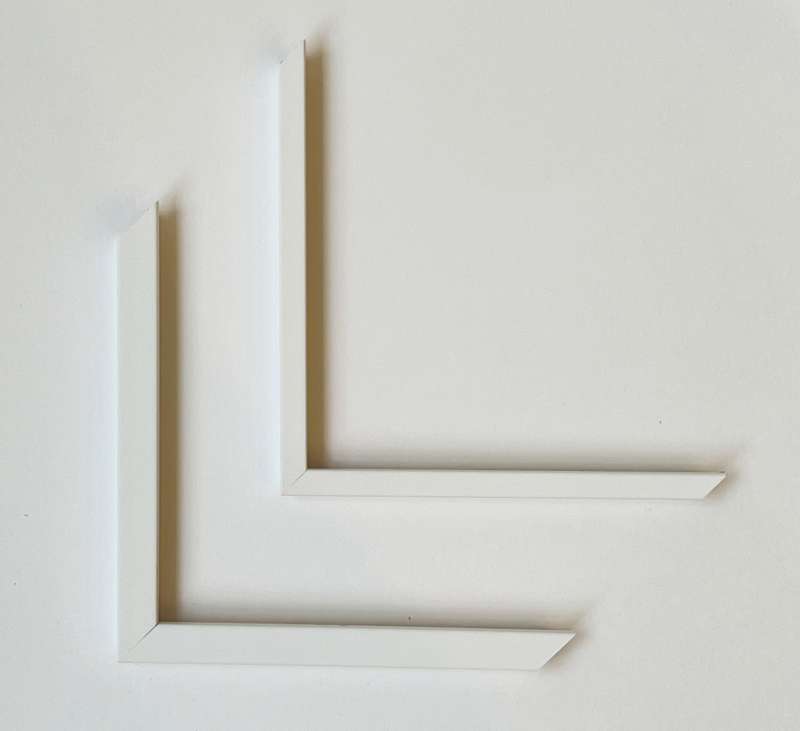
White: A white frame brings refined elegance and works particularly well with modern and contemporary artworks. Neutral in appearance, it highlights the details and colours of the artwork.
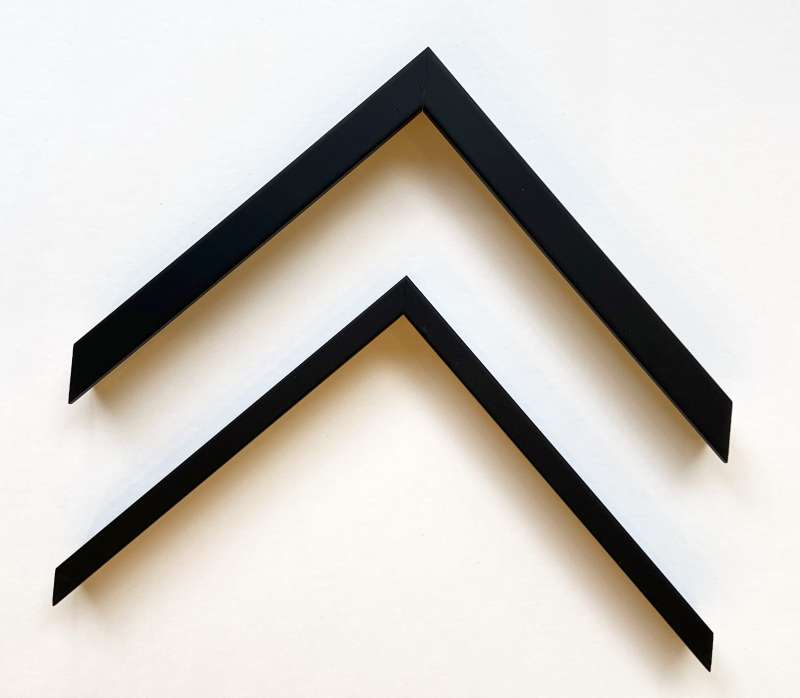
Black: A black frame offers a classic and timeless appearance. It can create striking contrast, ideal for emphasising artworks with vivid tones or creating a sense of depth.
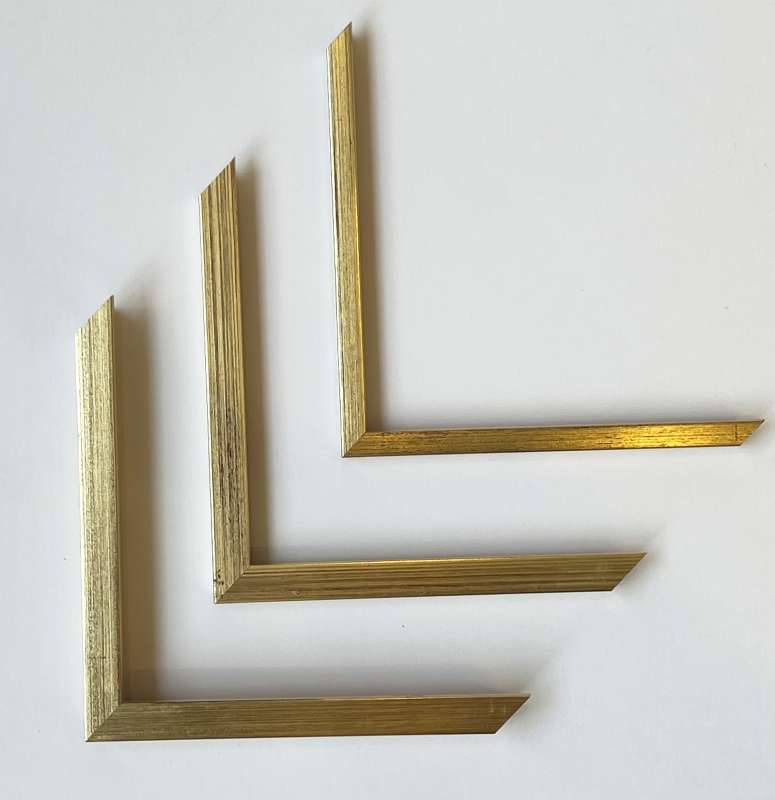
Gold: Gold frames bring sophistication and warmth. They are perfect for enhancing classical artworks or for adding a luxurious note to contemporary creations.
Frame Moulding Size
Small: Ideal for delicate artworks or when you wish the frame to remain discreet, small mouldings provide an elegant and subtle finish.
Medium: Versatile, medium mouldings suit most artworks and create a balance between the presentation of the artwork and the presence of the frame.
Large: For imposing artworks, large mouldings provide strong presence, framing the artwork with a bold and distinctive statement.
- Standard glass: This classic glass is commonly used in many types of frames. While it offers basic protection against dust, minor knocks and a certain level of UV protection, it is not the most effective solution for preventing artworks from fading over time. It may also produce reflections, which can hinder the viewing of the artwork from certain angles or under particular lighting conditions.
- Anti-reflective glass: A special treatment applied to glass, anti-reflective glazing significantly reduces reflections and glare, greatly improving the visibility and clarity of the artwork on display. It is ideal for environments where natural or artificial lighting could create unwanted reflections on the surface of the artwork, allowing for a more comfortable and detailed appreciation of the art.
- UV-protective glass: Specifically designed to filter harmful ultraviolet rays (from 92% to 99%), UV-protective glass plays a crucial role in protecting artworks against fading and degradation caused by exposure to light. It is essential for the long-term preservation of artworks, particularly those that are light-sensitive or frequently displayed in well-lit areas.
- Plexiglass (or acrylic): Plexiglass, lightweight and robust, is a popular alternative to traditional glass. Offering visual clarity comparable to glass, it is lighter and less prone to breakage, making it ideal for framing large artworks or for works displayed in high-traffic areas where the risk of impact is higher. Plexiglass also provides around 90% UV protection, combining the benefits of reduced weight and artwork preservation.
- Museum glass (or conservation glass): Offering superior UV protection (99%) and minimising reflections, museum glass is often the preferred choice for framing high-value artworks, both artistically and historically. This type of glass ensures optimal viewing while providing the highest level of protection against environmental factors that may alter or degrade the artwork over time.
Glass is generally considered UV-effective from 84% protection.
| Type of glass | UV protection | Glare reduction | Durability and weight | Relative cost | Recommended use |
| Standard glass | ~ 40 % | X | Fragile, heavy | € | Simple framing, limited budget |
| Optical anti-reflective glass | ~ 40 % | ✓ (glare reduction ~80 %) | Fragile, heavy | €€ | Artwork displayed under strong light |
| Standard plexiglass | ~ 66% | X | Resistant and lightweight | €€ | Large artworks, public spaces, frequent transport |
| UV-protective + anti-reflective glass | from 70 to 84 % | ✓ (very low reflections) | Fragile, heavy | €€€ | Protection and viewing comfort |
| Museum-quality glass | from 92 to 99 % | ✓ | Fragile, heavy | €€€ | Museum, foundation and high-end collection |
| Optical plexiglass (UV-protective) | up to 99 % | partial | Resistant and lightweight | €€€€ | Large artworks, frequent transport |
In short, choosing the right glazing for framing an artwork depends largely on the environment in which the piece will be displayed, the value of the artwork, and the required preservation conditions. Each type of glass offers specific advantages, and it is important to select the option best suited to the needs of each artwork to ensure optimal protection and presentation.
Mat and Marie-Louise (inner liner)
- A Marie-Louise (or inner liner): The Marie-Louise is a thin, often decorative band placed inside the mat and framing the artwork directly. It adds an additional aesthetic dimension by creating a subtle and refined visual transition between the artwork and the mat. This liner can be selected in a variety of colours and finishes to complement the artwork and add sophistication and finesse to the overall framing.
- A Mat: The mat is a key component of framing, designed to visually enhance and protect an artwork. Made from board, paper, or other quality materials, it is precisely cut to surround the artwork and is placed between the artwork and the glazing. Choosing a mat is not limited to its practical function; it also involves an important aesthetic choice in terms of colour, texture, and thickness, offering a wide range of options to personalise the look of the frame.
The mat is not merely decorative; it plays several crucial roles in the presentation and conservation of a print:
- Enhancing the print: By creating space between the artwork and the frame, the mat provides an elegant presentation that highlights the print. It draws the viewer’s attention to the artwork, giving it a visual setting that emphasises its importance and beauty.
- Visual protection: The mat acts as a protective barrier between the print and the glass, preventing direct contact that could damage the artwork, such as condensation or sticking to the glazing.
- Aesthetic balance: The mat is also a tool for visually balancing the print with its frame. By selecting a colour and texture that harmonise with the artwork and the frame, it is possible to create a visual coherence that elevates the overall presentation.
In summary, the mat and the Marie-Louise are essential elements that, when chosen and used with care, can transform the framing of an artwork into a richer visual experience while ensuring its protection and optimal presentation.
Mat colour
The mat creates space between the artwork and the frame, offering an elegant presentation and enhancing the print. It helps focus the viewer’s attention on the artwork by providing a distinct visual border. By choosing suitable tones or textures, you can create a visual harmony that complements the artwork.
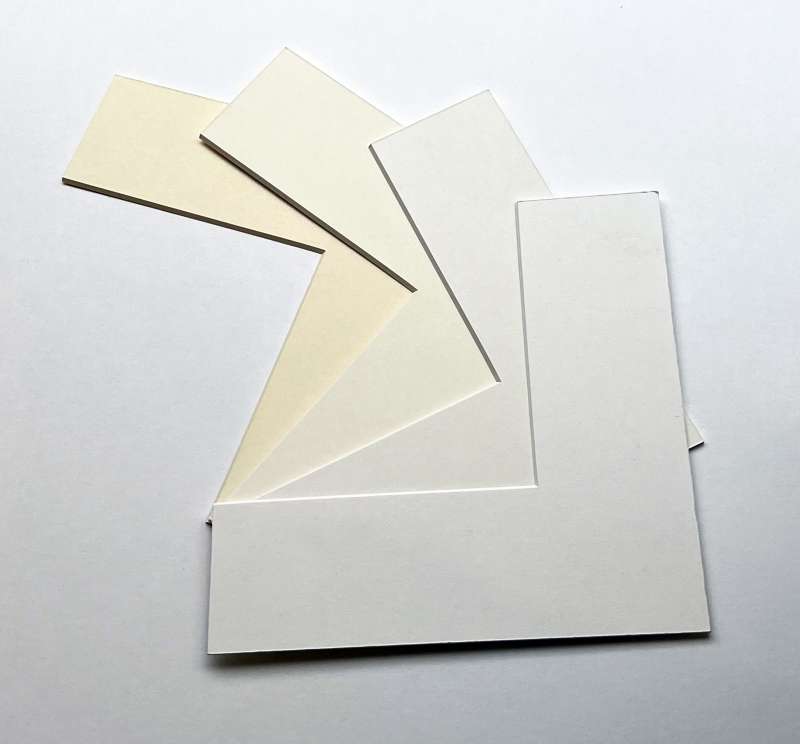
Convinced of the importance of investing in appropriate framing to enhance and preserve the brilliance of works on paper, we offer a framing service specifically designed to meet the particular requirements of these delicate artworks.
In collaboration with several professional framers in Paris, we ensure that every detail is carefully considered in order to guarantee both the presentation and the protection of your art collection.
Bespoke framing in the gallery or remotely
We offer collectors visiting one of our two Parisian gallery spaces a bespoke framing service, carried out by skilled artisan framers, with full respect for the artworks and recognised conservation standards.
This service provides a very wide selection of mouldings, glazing options and finishes, allowing for complete personalisation.
In our gallery spaces, framing options can be simulated directly on site, thanks to a curated selection of mouldings and mountboards available to refine every detail of the final presentation.
Everything is possible, and this service is offered at cost price, to the exact euro, reflecting our commitment to transparency and loyalty towards our collectors.
For acquisitions made remotely, whether via our website or through email exchanges, the same level of care and expertise is naturally maintained.
Framing options can be simulated remotely, through photographs or during a video consultation (WhatsApp), with personalised guidance and a wide range of mouldings and glazing options.
However, we would like to draw attention to the transport constraints associated with large framed artworks using museum glass, which by nature is more fragile. In most cases, we therefore favour shipping with plexiglass, offering optimal safety during transport.
In certain specific situations, particularly when an artwork has a significant heritage value and the framing includes museum glass, direct delivery by a member of our team may be considered, either to your city or directly to your home, exclusively within France, in order to guarantee impeccable security conditions.
This is a 100% bespoke frame carefully produced by an artisan framer. Production times may vary depending on the order and generally range from approximately 1 to 3 weeks.
Turnkey framing available exclusively online
We will soon offer a turnkey framing service, accessible exclusively when placing an order on our website, designed for collectors seeking an elegant, immediate solution without complex decisions.
The frames are produced by artisan framers, according to aesthetic and technical choices defined by the gallery, with an emphasis on balance, simplicity and the enhancement of the artwork.
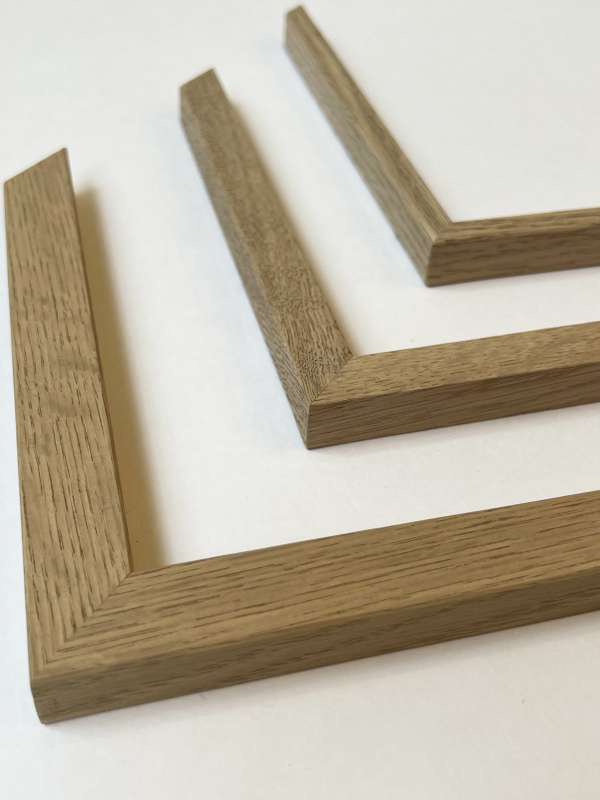
The mouldings offered are in solid light oak, white wood or black wood, with plexiglass, and with or without a mountboard.
These options are predefined and available exclusively online, without further customisation beyond the available choices, ensuring a clear and seamless experience.
In the interest of simplicity and clarity, the prices indicated on the website correspond to framing without a mountboard, offered at cost price, to the exact euro.
When the option including a mountboard is selected, it is offered free of charge. This option increases the final dimensions of the frame and plexiglass, and is therefore provided at a loss, in a spirit of service and loyalty rather than profit.
Finally, we would like to emphasise that the quality of this online framing service is strictly identical to that offered in our Paris galleries, both in terms of materials and craftsmanship.

Secure payment
3DSecure 2.2

Free DHL Express delivery from €1,200
Carefully prepared parcel
Parcel tracking

Shipment insured
for the value of the artwork, covering theft and damages

Fairest prices
Certificate of authenticity
Two galleries in Paris
Receive an email as soon as a new artwork is added for this artist
Your message has been sent ! We will get back to you as soon as possible.
Please fill in the form if you need further information such
Please fill in your email address, an email will be sent with a link to update your password.
You can now place orders and track your orders.
To save your wishlist, you can log in or create an account :
This is a 100% custom-made frame, carefully crafted by a professional framer. Finishes are available in light oak, white wood or black wood, with or without mat board and plexiglass. Delivery times may vary depending on the order, with an average lead time of 10 days.
This option will be offered during the cart step.